
If you’re running a small business and wondering whether digital marketing is worth your time and money, you’re asking exactly the right question. The short answer is: probably yes. But it depends on your business, your customers and what you’re trying to achieve.
Digital marketing isn’t just for big brands with massive budgets. In fact, it’s often more valuable for smaller businesses that need to make every pound count. Let’s explore whether it makes sense for you.
What Actually Is Digital Marketing?
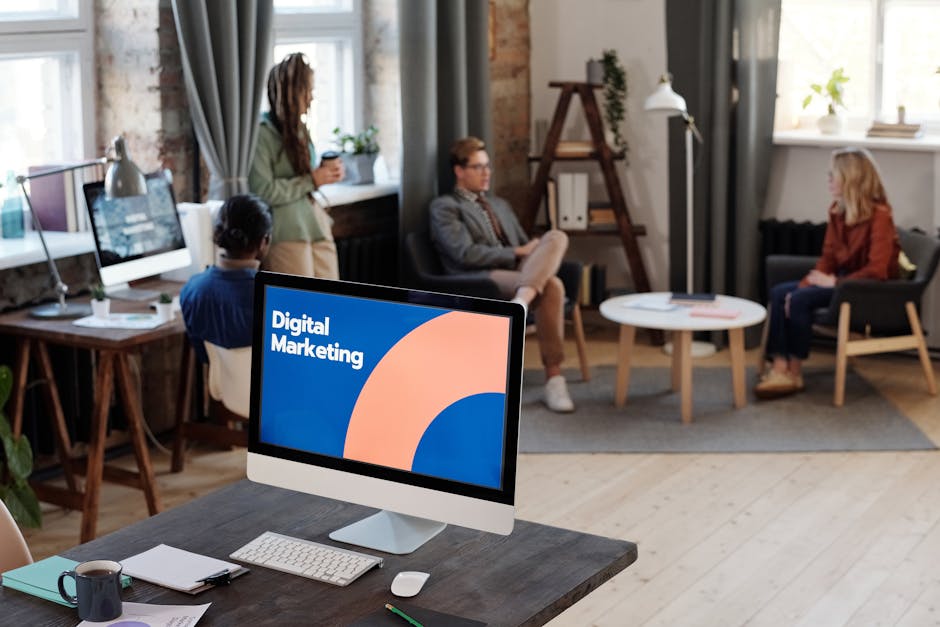
Digital marketing is simply any marketing activity that happens online. That might sound broad because it is. It includes:
Your website and how people find it
Search engine optimisation (SEO) to help you appear on Google
Managing your Google Business Profile
Social media posts and advertising
Email newsletters and automated campaigns
Online advertising through Google, Facebook or other platforms
Content like blog posts, videos or guides
You don’t need to do all of these things. Most small businesses start with just a few activities that suit their customers and budget. A local tradespeople in Reading might focus heavily on Google Business Profile and local SEO, whilst a Berkshire-based consultant might prioritise LinkedIn and email marketing.
The key is choosing the channels where your customers actually spend their time.
Signs Digital Marketing Could Help Your Business
Digital marketing makes sense if any of these sound familiar:

Your competitors appear on Google when people search for services like yours, but you don’t
You rely heavily on word-of-mouth and want to reach new customers beyond your existing network
You have a website but it doesn’t bring in enquiries or sales
People struggle to find basic information about your business online
You’re spending money on traditional advertising but can’t track whether it works
Your customers are asking questions you could answer on your website or social media
You want to stay in touch with past customers but don’t have a system for doing so
If you nodded along to several of these, digital marketing could make a real difference. And unlike traditional advertising, most digital marketing activities give you clear data about what’s working and what isn’t.
When Digital Marketing Might Not Be Your Priority
Let’s be honest: digital marketing isn’t always the answer. There are situations where it might not be your best investment right now:

If your business is genuinely struggling with the basics such as, unreliable service, poor product quality, cashflow problems, then fixing those issues comes first. Digital marketing will bring more people to your business, but if the fundamentals aren’t right, you’ll just disappoint more customers more quickly.
If your target customers genuinely don’t use the internet to find services like yours, digital marketing has limited value. This is rare in 2026, but it does happen in certain very niche industries or specific demographics.
If you’re already at capacity and turning work away, you might not need more visibility just yet. Though even then, having a decent website and Google Business Profile helps with credibility when people do find you.
And if you’ve only just started trading and haven’t yet proven your business model works, you might want to test the basics first before investing heavily in marketing.
Understanding What Digital Marketing Actually Costs
One of the biggest questions we hear from small businesses across the Thames Valley is: “Can I afford this?”
The good news is that digital marketing can work at almost any budget. You might spend £200 a month on basic website maintenance and local SEO, or £2,000 a month on a comprehensive strategy. It scales.
Here’s what typically influences cost:
Your starting point: If you already have a decent website and just need ongoing SEO and content, that’s more affordable than building everything from scratch. If your website is outdated or doesn’t work properly on mobile, you might need a redesign first.
How competitive your market is: Ranking for “plumber in Wokingham” is easier than ranking for “business consultant in London.” More competition means more ongoing work and higher costs.
How much you do yourself: If you’re happy writing your own social media posts or blog content, you’ll save money. If you need someone to handle everything, costs increase.
How quickly you want results: SEO is a long game that delivers sustainable results, but it takes months. Paid advertising can bring immediate traffic, but you’re paying for every click. Most businesses benefit from a mixture.
At Sanford Systems, we work with businesses to create strategies that fit their budget. Sometimes that means starting small with website improvements and local SEO, then expanding as you see results. There’s no point spending money you don’t have on marketing activities that don’t suit your business.
Different Approaches for Different Business Types
Digital marketing looks different depending on what you do and who you serve. Here are some common scenarios:
Local service businesses (tradespeople, solicitors, accountants): Focus on local SEO, Google Business Profile optimisation and getting reviews. Your website needs to clearly show your service area, whether that’s Reading, Bracknell or the wider Berkshire area and make it easy for people to contact you. Social media is often less important unless you’re building a brand beyond your local area.
Retailers with physical locations: You need local visibility like service businesses, but also benefit from regular social media content showcasing products, email marketing for promotions and potentially online sales if that suits your business model.
B2B consultants and professional services: Content marketing, LinkedIn presence and email nurturing tend to work well. Your website should clearly explain how you help and who you work with. Detailed case studies and testimonials matter more than flashy design.
Online businesses selling products or services remotely: You need broader SEO targeting, potentially paid advertising, strong email marketing and possibly social media depending on your audience. Your website effectively is your shop, so it needs to work flawlessly.
None of these are rigid rules, but they’re a useful starting point for thinking about where to focus your efforts.
Getting Started Without Overwhelming Yourself
The biggest mistake we see small business owners make is trying to do everything at once. They set up Facebook, Instagram, LinkedIn and Twitter, commit to daily posts, start a blog, rebuild their website and launch an email newsletter all in the same month. Within weeks, they’re exhausted and nothing is being done properly.
Start with the foundations:
A website that works: It doesn’t need to be fancy, but it should load quickly, work on mobile, clearly explain what you do and make it easy to contact you. If you’re in Berkshire or the Thames Valley and serve local customers, make sure your location is clear.
Google Business Profile: Claim and optimise your listing. Add photos, accurate opening hours, services and encourage happy customers to leave reviews. This is free and often the first thing potential customers see.
Basic local SEO: Make sure your website mentions the areas you serve, has proper page titles and descriptions, and loads reasonably quickly. You don’t need to be an expert, just cover the basics.
Once those foundations are solid, you can add other activities based on where your customers are and what you enjoy doing. If you like writing, add a blog. If you’re comfortable on camera, try video content. If you prefer systems that run themselves, invest in email automation.
There’s no rule that says you must be on every platform. It’s better to do one or two things well than ten things badly.
Working With Someone Versus Doing It Yourself
Many small business owners start by handling their own digital marketing. That’s absolutely fine, especially if budget is tight and you have time to learn.
But there comes a point where doing it yourself stops making sense:
When it’s taking time away from actually running your business
When you’re not seeing results despite consistent effort
When technical aspects like website speed, security or SEO feel overwhelming
When you need expertise you don’t have and don’t want to spend months learning
Working with a family-run company like Sanford Systems means you get someone who understands small business constraints. We’re not a massive agency charging corporate prices for one-size-fits-all packages. We build strategies around what you actually need and can afford, explain things in plain English and stick around for the long term.
We particularly work with businesses that don’t have in-house marketing or an IT team, which is most small businesses. You get website design and support, SEO, Google Business Profile management, social media help, email marketing and technical support all from one place, tailored to your situation.
Making the Decision
So, is digital marketing right for you? If you want to grow your business, reach new customers and make it easier for people to find and choose you, then yes. If you’re willing to invest time or money (or both) into building your online presence properly rather than expecting instant miracles, then yes.
Digital marketing works for businesses of all sizes, from sole traders in Woodley to growing companies across London. The key is approaching it sensibly, focusing on activities that suit your business and being patient enough to let things work.
If you’re still not sure where to start or what would work for your particular business, that’s exactly the kind of conversation we have with potential clients every week. Get in touch and we’ll have an honest discussion about whether digital marketing makes sense for you right now, and if so, what that might look like in practice.